Anatomical models

Anatomical models are essential tools used across various disciplines, including medicine, biology, and health sciences. These detailed and accurate representations of the human body and its systems are invaluable for students, educators, and healthcare professionals. Whether utilized in a classroom setting, a medical training facility, or a healthcare practice, anatomical models provide critical resources for understanding complex biological structures and their functions.

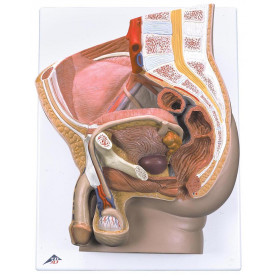
Anatomical models represent a vast category of tools that cater to diverse needs, offering detailed insights into different aspects of human anatomy. Within this category, there are several subcategories, each focusing on specific areas of study. Human anatomy models provide a broad overview of anatomical structures and include specific types such as human torso models, breast anatomy models, reproductive system models, pelvis models, muscle anatomy models, microanatomy models, and nervous system models. These models are ideal for gaining a deeper understanding of the body’s general and specialized features.

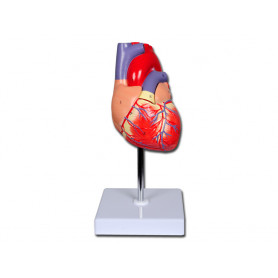
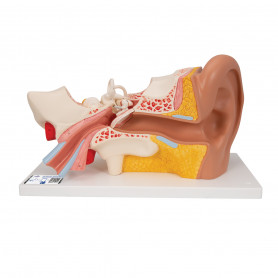
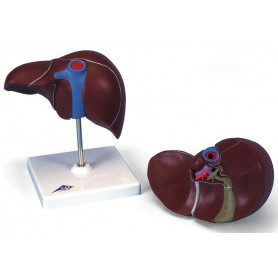
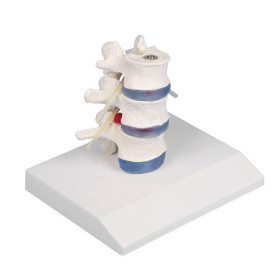
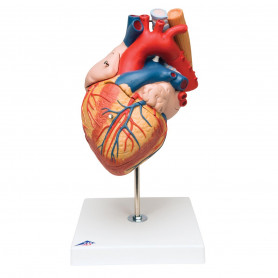
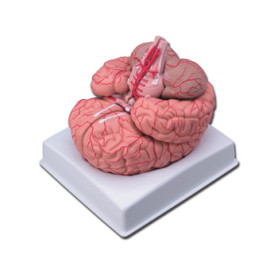
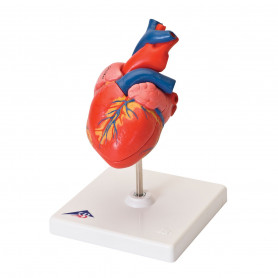
Another significant subcategory is organ models, which allow for focused exploration of individual systems. These include digestive system models, heart models, respiratory system models, skin models, urinary system models, disease anatomy models and pregnancy anatomy models, each offering insights into the structure and function of critical body components. For those focusing on the head and its associated systems, head anatomy models are particularly valuable. This group encompasses full head models, brain models, eye anatomy models, ear models, and dental anatomy models, providing a comprehensive view of this complex area.

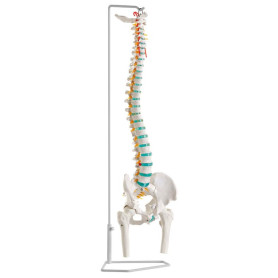
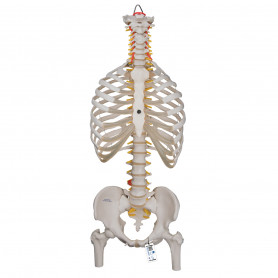
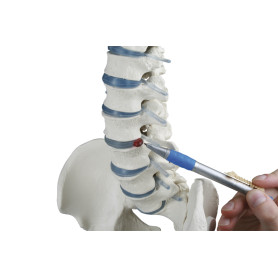
The human skeleton models category is also fundamental for anatomical education, covering every part of the skeletal system. This includes full-body skeleton models, human skull models, human spine models, extremity skeleton models, skeleton pelvis models, and joint models. These models are particularly beneficial for understanding the structural framework of the body and its relation to movement and function.

Anatomical models are available in a range of sizes, materials, and colors to suit various educational and professional requirements. Some are crafted from durable plastic for long-term use, while others are made from realistic materials to replicate the texture and appearance of human tissues. Many models also feature removable parts, enabling a hands-on, interactive approach to learning. This functionality allows users to assemble and disassemble components, fostering a deeper understanding of how different anatomical structures interact.

In addition to their role in education, anatomical models are highly valuable in patient education within clinical settings. Healthcare professionals often use these models to explain medical conditions, surgical procedures, and treatment plans in a clear and understandable manner. This approach not only enhances patient understanding but also fosters better communication and builds trust between healthcare providers and their patients.

In conclusion, anatomical models are indispensable for anyone involved in the study or practice of health sciences. With their wide range of categories and subcategories, they offer tailored solutions for students, educators, and professionals seeking to deepen their understanding of human anatomy. 

At medi-shop.gr, you can explore an extensive selection of high-quality anatomical models designed to meet your educational and professional needs, by leading manufactures like 3B Scientific and Erler Zimmer. With these tools, you are equipped to enhance your knowledge and provide better educational experiences.

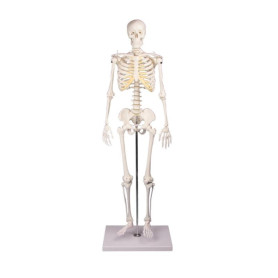
Mini skeleton model A18
€265.00
(tax incl.)
Upon order
Top of the range mini skeleton - shorty - mounted on a base, ideal for educational purposes! Made by 3B Scientific with removable limps and head.